

Le migliori essenze per le siepi e aiuole: il pitosforo
The best essences for hedges and flowerbeds: Pittosporum
- 07 Gen 2026
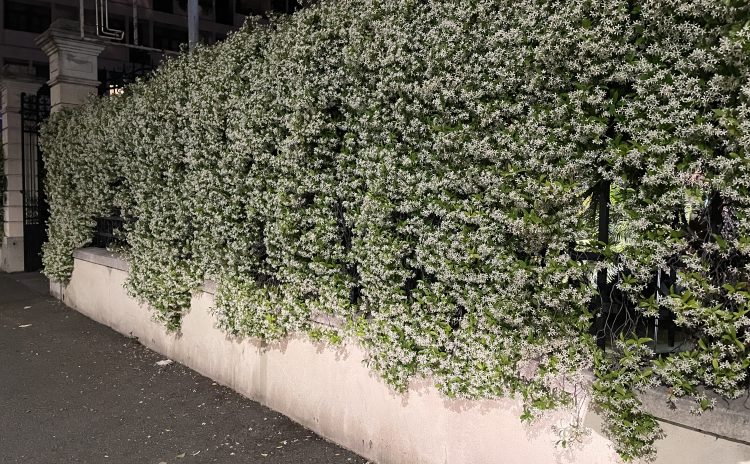
Il Pitosforo è una pianta sempreverde. È resistente e facile da coltivare e può crescere fino a 10 metri di altezza anche se i pitosfori vengono molto utilizzati per comporre delle siepi compatte e dense. Richiede poca manutenzione, ma è importante assicurarsi che abbia abbastanza acqua e luce solare. Le specie sono 150 ma le più coltivate sono 6. In Italia, le più apprezzate sono il Pittosporum tobira, il P. tenuifolium e il P. heterophyllus. Il primo è un arbusto proveniente dalla Cina, il secondo è un albero della Nuova Zelanda presente in ben 7 varietà. Il terzo ha, come le altre due, la caratteristica della fioritura primaverile. Si tratta di un grande arbusto, a crescita abbastanza lenta, sempreverde, con foglie spatolate, spesso riunite in mazzetti, soprattutto all’apice dei rami; hanno colore verde scuro, lucido e sono caratterizzate da una vistosa venatura chiara, che attraversa la foglia al centro. In primavera i pitosfori producono piccoli fiori di colore bianco, sono molto profumati e sbocciano riuniti in racemi o pannocchie. Dopo la fioritura i pitosfori producono delle bacche semi legnose, al cui interno sono presenti i semi fertili, ricoperto da una polpa resinosa. Il nome delle piante deriva proprio da questa caratteristica, infatti Pittosporum in greco significa semi resinosi.
Vivono anche molto bene in contenitore e quindi possono essere utilizzati per delimitare degli spazi aperti, risultando di facile manutenzione (vista anche la crescita piuttosto lenta, la grande longevità e l’estrema semplicità delle potature). Proprio per questi scopi sono state selezionate varietà nane o caratterizzate da fogliame variegato e con colorazioni particolari.
Nell’uso per la realizzazione di siepi, la potatura è obbligata e deve essere effettuata ogni anno, dopo la fine della fioritura ed entro il mese di giugno. Se la potatura è effettuata in altri periodi, il pittosporo non fiorisce nel maggio successivo; se poi l’intervento è stato drastico, i fiori non appaiono per molti anni di seguito, fino a quando non si sarà ristabilito un equilibrio tra apparato radicale e chioma, sempre che la pianta sopravviva agli attacchi parassitari causati dai tagli eccessivi.
Se aggiungiamo la loro grande resistenza alle condizioni diffuse lungo i litorali (terreni e aria salmastra), non possiamo che annoverarli tra i migliori arbusti fioriti in assoluto.
 Arch. Anselmo Santilli – ZEDPROGETTI srl
The Pythosphorus is an evergreen plant. It is hardy and easy to grow and can grow up to 10 metres in height, although pythosphorus is widely used to make compact, dense hedges. It requires little maintenance, but it is important to make sure it gets enough water and sunlight. There are 150 species but the most cultivated are 6. In Italy, the most popular are Pittosporum tobira, P. tenuifolium and P. heterophyllus. The first is a shrub from China, the second is a tree from New Zealand present in no less than 7 varieties. The third has, like the other two, the characteristic of spring flowering. It is a large, fairly slow-growing, evergreen shrub with spatulate leaves, often gathered in clusters, especially at the apex of the branches; they are dark green in colour, shiny and are characterised by a conspicuous pale vein running through the centre of the leaf. In spring, the pythosphares produce small white flowers, are very fragrant and bloom in racemes or panicles. After flowering, the pythosphaurs produce semi-woody berries, inside of which are the fertile seeds, covered with a resinous pulp. The name of the plants derives precisely from this characteristic, in fact Pittosporum in Greek means resinous seeds.
They also live very well in containers and can therefore be used to delimit open spaces, being easy to maintain (also in view of their rather slow growth, great longevity and extreme simplicity of pruning). It is precisely for these purposes that dwarf varieties have been selected or are characterised by variegated foliage and special colours.
When used for hedging, pruning is obligatory and must be carried out every year, after the end of flowering and by June. If pruning is carried out at other times, the pittosporum will not flower in the following May; if the intervention has been drastic, the flowers will not appear for many years in succession, until the balance between root system and foliage has been re-established, provided the plant survives parasite attacks caused by excessive cutting.
If we add their great resistance to the widespread conditions along the coasts (soils and salty air), we cannot but count them among the best flowering shrubs of all.